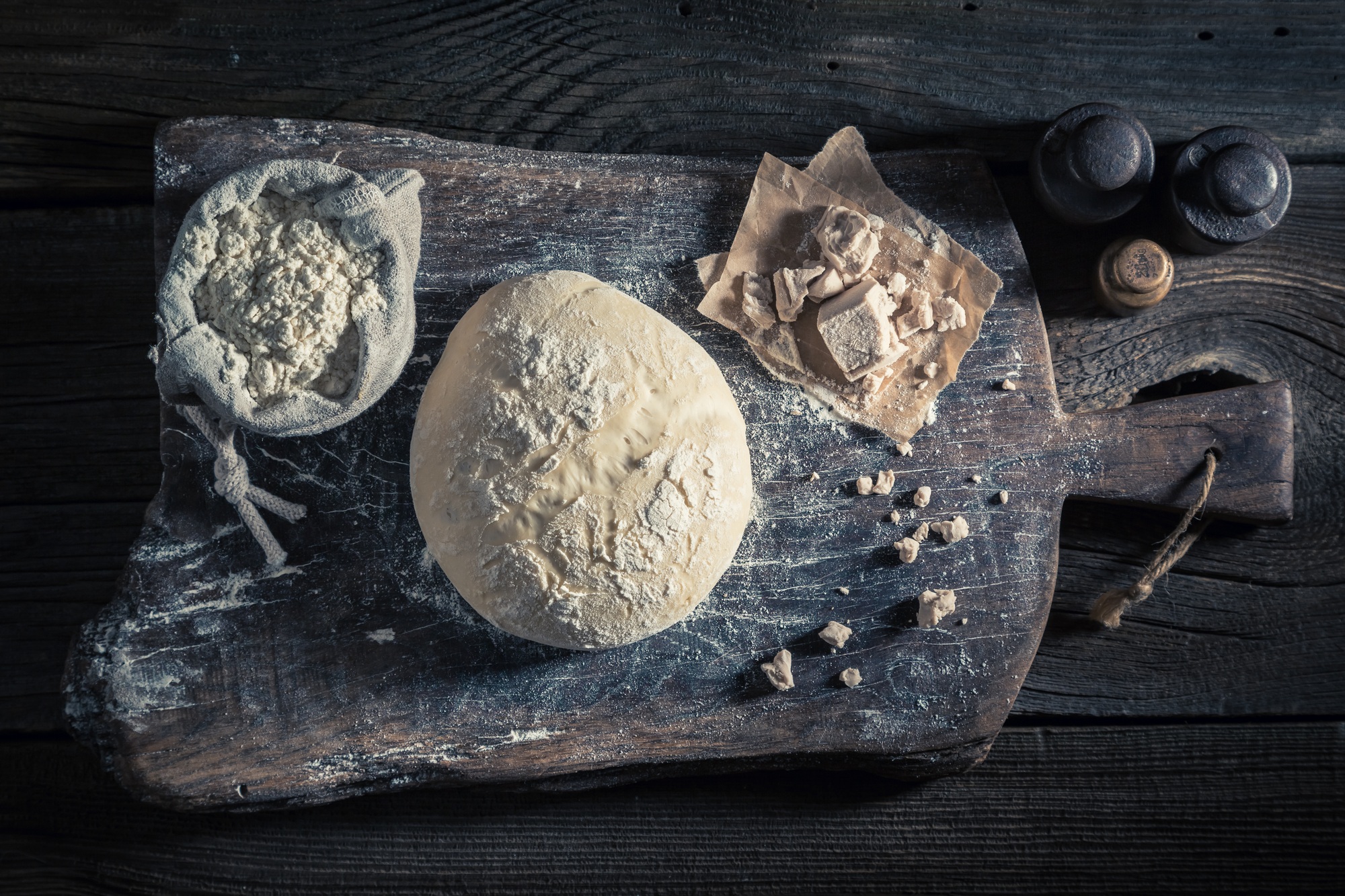
In the food industry—especially in the production of bread, pizza, and bakery products—kneading dough at the ideal temperature is a critical factor. The temperature rise that occurs during kneading can affect the gluten structure, negatively impacting dough quality and the flavor of the final product. For this reason, using a dough water chiller is essential to maintain the optimum kneading temperature.
Importance
To balance the temperature increase during kneading, the water used must be kept at a specific temperature. If dough is kneaded at high temperatures:
- Fermentation may accelerate, leading to uncontrolled proofing,
- Dough elasticity and water absorption capacity may decrease,
- The final product’s volume and texture may be negatively affected.
Therefore, the use of chilled water for kneading is of great importance.
Dough Kneading Cooling Methods
1. Use of Ice
Some producers use crushed ice to cool the dough. However, precise dosing of ice is difficult, and excessive use can compromise dough homogeneity. In addition, ice machines and storage costs can create extra long-term expenses.
2. Water Cooling with Chiller Systems
One of the most efficient and controlled methods today is maintaining dough water at a specific temperature using chiller systems. With chillers, water is kept at a constant temperature, ensuring ideal dough conditions during kneading.
Advantages of Using Chillers
- Consistent water temperature: Water is maintained at a pre-set temperature, ensuring consistent product quality for every batch,
- Energy efficiency: Consumes less energy compared to traditional ice use,
- Continuity and hygiene: Chiller systems are hygienic and closed-loop, preventing microbial contamination of water,
- Reduced operational costs: Less reliance on ice machines lowers long-term energy and labor expenses.
Selecting the Right Chiller System
When choosing a chiller for dough water cooling, the following factors should be considered:
- Water cooling capacity (should match the water requirements of the kneading machines),
- Target water temperature (ideally maintained between 2–4°C),
- Air-cooled or water-cooled system preference,
Energy efficiency and hygienic design.